Mini-Symposia

MS1 – AI-Powered Climate-Resilient Infrastructure: Risk, Adaptation, and Life-Cycle Decision-Making

Yaohan Li
Yaohan Li
Hong Kong Metropolitan University
China
You Dong
You Dong
The Hong Kong Polytechnic University
China
John W. van de Lindt
Colorado State University
USA
Dan M. Frangopol
Dan M. Frangopol
Lehigh University
USA
Session Summary

Civil infrastructure is threatened by structural aging and climate-driven hazards with increasing frequencies, intensities, which are all exacerbated by compound interactions. These shifting conditions challenge traditional assumptions of stationarity embedded in many design codes and analytical models, introducing substantial uncertainty into long-term system performance and resilience. Concurrently, rapid advances in artificial intelligence (AI), agentic AI, digital twins, physics-informed modeling, and intelligent decision-support technologies are creating new opportunities to better understand and manage infrastructure systems throughout their life cycles.

This Mini-Symposium provides a platform to explore how emerging AI technologies can be integrated with climate adaptation, reliability analysis, probabilistic risk assessment, resilience, and life-cycle management across component, system, network, and community scales. The session will highlight advances that enable systems to anticipate and adapt to evolving hazards, optimize maintenance, and strengthen resilience while balancing sustainability, societal, and economic objectives. This Mini-Symposium will bring together researchers and practitioners from structural and infrastructure engineering, climate-risk analysis, reliability, resilience, and AI to exchange methodological advances and real-world applications. Topics of interest include, but are not limited to: (1) AI, agentic AI, and physics-informed approaches for deterioration, reliability, and life-cycle performance assessment; (2) probabilistic methods for non-stationary, multi-hazard, compound, and cascading risk assessment and infrastructure management; (3) AI-enabled resilience assessment, climate adaptation, and decision-making at all scales ranging from components to full communities; (4) robust and adaptive decision frameworks integrating risk, resilience, and life-cycle cost under climate uncertainty.


MS2 – Integrating Life-Cycle Methods into Community Resilience Assessment and Decision-Making

Milad Roohi
Milad Roohi
University of Nebraska-Lincoln
USA
John W. van de Lindt
Colorado State University
USA
Session Summary

Community-scale resilience models are used to compare mitigation, retrofit, and recovery policies for interdependent buildings and lifeline systems. Recovery-based objectives are beginning to enter the narrative in the design code, standards, and public policy communities. Yet many models still represent the built environment as time-invariant and as-designed. Deterioration, maintenance, repair, and retrofit alter fragility, functionality, and recovery trajectories over decades and can change which policy a community should adopt. Life-cycle civil engineering has matured at component and system scales, where time-variant reliability, life-cycle cost, and intervention planning under uncertainty are established. What is not yet developed is their transfer to the community scale, where the outcomes of interest include functionality, recovery time, population dislocation, employment, and business interruption.

Several directions are converging. Time-variant fragility and deterioration models make component performance age-dependent. Community-scale computational environments propagate damage through interdependent networks to estimate functionality, restoration, and regional economic consequences. Life-cycle optimization allocates inspection, maintenance, and retrofit budgets across portfolios rather than individual assets. Monitoring and data-informed updating condition these predictions on observed performance. Each is well developed but not yet integrated; their integration into a community-scale life-cycle framework and validation using real-world testbeds remain open research and application challenges.

The distinguishing feature of this Mini-Symposium is scale: the object of analysis is an entire community, including housing, lifelines, households, businesses, and the local economy, evaluated over decades rather than at a single point in time. Topics include

  • aging and deterioration in regional and community models;
  • functionality of interdependent buildings and lifelines as they age;
  • recovery and socio-economic metrics that reflect time-variant performance;
  • prioritizing maintenance and retrofit across a community portfolio under budget limits and uncertainty; and
  • testbed applications that carry life-cycle resilience analysis into practice and policy.

Contributions from structural, infrastructure, computational, and socio-economic researchers, practitioners, and public agencies are welcome.

MS3 – From Data to Decisions: Evidence-Based Infrastructure Asset Management

Daijiro Mizutani
Daijiro Mizutani
Tohoku University
Japan
Arnold Yuan
Arnold Yuan
Toronto Metropolitan University
Canada
Kiyoyuki Kaito
Kiyoyuki Kaito
The University of Osaka
Japan
Session Summary

Civil infrastructure asset owners increasingly have access to large and heterogeneous datasets from inspections, monitoring, sensing, maintenance records, and operational systems. Yet a central challenge remains: how can these data be transformed into reliable evidence for life-cycle asset management decisions under deterioration uncertainty, imperfect observations, limited budgets, and competing performance objectives? Recent advances in statistical modeling, machine learning, data assimilation, and stochastic optimization offer powerful tools for linking observed condition information to prediction and action. This Mini-Symposium brings together research across this data-to-decision chain. Topics include, but are not limited to: 1) statistical and machine-learning approaches for deterioration and condition modeling; 2) uncertainty quantification, model updating, transfer learning, and multi-source data fusion; 3) inspection, monitoring, and information-acquisition strategies; 4) life-cycle risk and performance assessment; 5) network-level optimization of maintenance, rehabilitation, renewal, and replacement policies using stochastic control, Markov decision processes, partially observable models, and related methods; and 6) contributions on digital twins, surrogate modeling, and other computational approaches that enable scalable asset-management decisions. The Mini-Symposium emphasizes not only predictive accuracy, but also how data, models, and uncertainty information can support transparent and evidence-based decisions over the infrastructure life cycle. By linking condition assessment and deterioration prediction with intervention planning and management optimization within a common asset-management perspective, the symposium aims to connect researchers working across traditionally separate stages of the life-cycle decision process and to advance practical pathways from data to decisions.

MS4 – Vibration-Based Structural Health Monitoring: Damage Identification, Prognostics, and Remaining Useful Life Estimation

Zhilu Lai
Zhilu Lai
The Hong Kong University of Science and Technology
China
Edwin Reynders
Edwin Reynders
KU Leuven
Belgium
Eleni Chatzi
Eleni Chatzi
ETH Zurich
Switzerland
Costas Papadimitirou
University of Thessaly
Greece
Session Summary

Vibration-based structural health monitoring (SHM) provides a powerful framework for assessing the condition, integrity, and evolution of engineering structures through their measured dynamic response. For large-scale civil infrastructure, monitoring is predominantly based on operational or ambient response measurements, since controlled excitation is often impractical. Translating these indirect observations into interpretable indicators of structural condition, damage, and residual performance therefore requires robust inference methodologies capable of linking measured dynamics to the underlying structural state.

This mini-symposium brings together recent developments in vibration-based SHM, damage identification, structural prognostics, and remaining useful life estimation. Contributions employing data-driven, physics-based, and hybrid physics-informed approaches are equally encouraged, with particular interest in methods that account for uncertainty, environmental and operational variability, and incomplete or indirect observations.

Relevant topics include linear and nonlinear system identification; modal- and feature-based damage assessment; state, parameter, and input estimation; virtual sensing; model calibration, updating, and discovery; uncertainty quantification and probabilistic prognosis; optimal sensor placement and experimental design; novel sensing and monitoring technologies; physics-informed and hybrid learning approaches; and methods for remaining useful life and reliability assessment.

Contributions demonstrating applications to real-world civil and mechanical systems, long-term monitoring campaigns, benchmark problems, and openly available datasets are particularly welcome.

MS5 – Urban Risk, Recovery, and Build Back Better: Quantifying Community Resilience

Paolo Gardoni
Paolo Gardoni
University of Illinois at Urbana-Champaign
USA
Osamu Murao
Osamu Murao
Tohoku University
Japan
Yun-Chi Veronica Yu
Yun-Chi Veronica Yu
National Cheng Kung University
Taiwan
Session Summary

Climate change is increasing the frequency and intensity of extreme weather events in many parts of the world, while earthquakes, tsunamis, and other natural hazards continue to cause severe and long-lasting impacts on infrastructure systems, cities, and communities. In the face of these evolving urban risks, there is a growing need to better understand and quantify vulnerability and risk, how cities and communities recover from disasters, and how they can transition toward more resilient and sustainable conditions. By 2027, sixteen years will have passed since the 2011 Great East Japan Earthquake and twelve years since the adoption of the Sendai Framework for Disaster Risk Reduction 2015–2030. Priority 4 of the Framework explicitly calls for “Build Back Better” (BBB) in recovery, rehabilitation, and reconstruction. As the international community approaches the Framework’s target year of 2030, it is increasingly important to move beyond viewing recovery simply as the restoration of physical functions and to quantitatively assess changes in risk, vulnerability, and resilience across infrastructure, urban, and community systems. This Mini-Symposium/Special Session explores the interconnected processes of urban risk, post-disaster recovery, and Build Back Better, with particular emphasis on quantitative approaches to community resilience. Topics include risk and vulnerability assessment, life-cycle performance and recovery of infrastructure systems, quantitative assessment of urban and community resilience, spatial analysis of disaster impacts and recovery, modeling and monitoring of recovery processes, indicators for evaluating BBB, and sustainable recovery strategies considering future risks. By integrating engineering-based approaches to risk and infrastructure resilience with urban- and community-scale perspectives, the session aims to advance interdisciplinary methods for understanding and quantifying how disaster-affected communities can recover, adapt, and ultimately build back better.

MS6 – Life-Cycle and Sustainability of Structures and Infrastructure Systems

Fabio Biondini
Fabio Biondini
Politecnico di Milano
Italy
Alessandra Marini
Alessandra Marini
University of Bergamo
Italy
Session Summary

The field of structural engineering, which in the past has focused mainly on risk mitigation, is now called upon to combine risk and sustainability of the built environment under a life-cycle prospective. In line with the Sendai Framework and the Sustainable Development Goals, sustainability embraces safety and resilience against natural and man-made hazards, whose potential impact is exacerbated by aging and structural degradation and the effects of climate change, and the reduction of environmental, economic, and social impacts throughout the life-cycle of buildings, bridges, and other infrastructure facilities. Responding to this new challenge requires meeting ever-increasing social, political, economic and environmental requirements aimed at ensuring the full sustainability of the choices and solutions adopted. To address these issues, structural engineering is undergoing a paradigm shift and a profound transformation toward a life-cycle oriented approach that promotes the design, maintenance and operation of sustainable buildings and infrastructure by combining multiple performance requirements, such as eco-efficiency, durability, safety, reliability, robustness, functionality and resilience. Thus, a holistic approach is required to synergistically complement typical risk management aspects and sustainability requirements. This mini-symposium is aimed at addressing these needs and contributing the life-cycle design and assessment of sustainable structures and infrastructure systems and welcomes contributions in line with the following goals:

  • encourage the reduction of emissions and the Green transition of the built heritage for sustainable and equitable economic, social and environmental development, through the implementation of an extended concept of sustainability that combines eco-efficiency and life-cycle with safety, reliability, robustness, functionality and resilience;
  • promote the central role of structural engineering in the sustainability implementation process;
  • broaden the vision of the design and evaluation phases of the built environment by considering structural performance and impacts over the entire life-cycle and with a multi-scale approach, from individual structures to the scale of urban and infrastructure systems;
  • increase technical, social, and political awareness of the need for a life-cycle approach to the achievement of effective sustainability, for the design of sustainable construction and infrastructure, and for the integrated and sustainable rehabilitation of existing structures, so as to encourage the conscious application of this approach in professional practice and its implementation into regulatory frameworks.

Sponsored by the ReLUIS WP13 Research Project on Life-Cycle ad Sustainability of Structures and Infrastructure Systems. ReLUIS is the Italian Network of the University Laboratories of Earthquake and Structural Engineering (https://www.reluis.it/en).

MS7 – AI-Enabled Infrastructure Life-Cycle Management: From Models to Action

Pang-jo Chun
Pang-jo Chun
The University of Tokyo
Japan
Takashi Miyamoto
Takashi Miyamoto
Institute of Science Tokyo
Japan
Ji Dang
Ji Dang
Saitama University
Japan
Ranjith Dissanayake
Ranjith Dissanayake
University of Peradeniya
Sri Lanka
Session Summary

Safe, efficient, and sustainable infrastructure management requires integrating heterogeneous information, computational models, and field operations throughout the life cycle. However, fragmented data, costly simulations, and demanding inspection environments hinder timely decisions and effective interventions.

This Mini-Symposium explores large language models (LLMs), physical AI, and surrogate models for bridges, tunnels, buildings, and other civil infrastructure, with emphasis on inspection, assessment, maintenance, and life-cycle management. LLMs and multimodal foundation models support knowledge access, information interpretation, and engineering workflows. Physical AI enables embodied systems to perceive, reason, and act in the physical world. Surrogate models provide efficient approximations of computationally demanding analyses to support prediction, optimization, and decision-making.

Topics of interest include domain-adapted LLMs and vision-language models; retrieval-augmented generation and knowledge graphs; automated inspection reporting and AI agents; integration with infrastructure information models, digital twins, and structural analysis; data-driven and physics-informed surrogate models for structural response prediction, reliability assessment, and optimization; and learning-based perception, planning, and control for robotic inspection and maintenance. Contributions on human-robot collaboration, vision-language-action models, simulation-to-real transfer, and surrogate-assisted training and evaluation of autonomous systems are also encouraged.

The Mini-Symposium welcomes methodological developments, benchmark datasets, experimental studies, and practical applications addressing any of these themes individually or in combination. Exploratory studies, feasibility assessments, and proof-of-concept demonstrations are particularly welcome, including early-stage investigations of robotic approaches to infrastructure inspection. Contributions reporting preliminary findings, practical limitations, and lessons learned are encouraged alongside mature applications.

Particular attention will be given to engineering validity, uncertainty, robustness, explainability, human oversight, and safety in real-world deployment. By bringing together infrastructure engineers, AI researchers, roboticists, and infrastructure owners, the Mini-Symposium aims to advance dependable technologies that improve infrastructure performance and life-cycle outcomes.

MS8 – Predictive Maintenance of Long-Span Bridges: Theory, Technologies and Applications

Airong Chen
Airong Chen
Tongji University
China
Mitsuyoshi Akiyama
Mitsuyoshi Akiyama
Waseda University
Japan
Joan R. Casas
Joan R. Casas
UPC-BarcelonaTech
Spain
Session Summary

Long-span bridges are the critical nodes of transport networks, yet a large proportion of the world's cable-supported and long-span girder bridges are now approaching, or have already exceeded, their design service lives. Under the coupled action of environmental exposure, traffic loading, and extreme events, key components, such as steel box girders, stayed-cables, bearings, and expansion joints, deteriorate through fatigue, corrosion, and corrosion-fatigue interactions. Conventional practice relies on periodic visual inspection followed by corrective repair. This approach detects damage only after it becomes visible, provides no quantitative estimate of residual life, and leaves details concealed within closed box girders, anchorages, and bearing assemblies effectively uninspected. The resulting life-cycle costs, traffic disruption, and safety risks make the transition from reactive to predictive maintenance one of the central challenges in life-cycle civil engineering.

A research consensus is now converging on the ingredients of this shift: (1) multi-scale, multi-physics models that reproduce chloride-induced corrosion, stress corrosion, and corrosion-fatigue from micro- to macro-scale; (2) automated sensing and perception platforms capable of reaching inaccessible regions; (3) probabilistic diagnosis and prognosis methods that convert monitoring data into crack-initiation probabilities, wire- or strand-level failure statistics, and component residual life; (4) data-driven early-warning systems and multi-attribute utility decision frameworks that translate predictions into concrete inspection and repair actions. Each of these strands is maturing rapidly, yet they remain poorly integrated, and validation on full-scale bridges is still limited.

This Mini-Symposium, organized in three sessions, addresses the full chain from mechanism to measurement to decision:

  • deterioration mechanisms and multi-scale, multi-physics modeling;
  • full-scenario perception, robotic inspection, and load monitoring;
  • probabilistic condition assessment, early warning, and life-cycle maintenance decision-making.

Contributions spanning theory, algorithms, sensing hardware, experiments, standards, and full-scale applications are welcome, with particular interest in studies that close the loop from deterioration modeling to maintenance action.

MS9 – Life-Cycle Redundancy, Robustness, and Resilience Indicators for Aging Structures and Infrastructure Systems under Multiple Hazards

Fabio Biondini
Fabio Biondini
Politecnico di Milano
Italy
Dan M. Frangopol
Dan M. Frangopol
Lehigh University
University of Colorado at Boulder
USA
Session Summary

Structural systems, due to their inherent vulnerability, are at risk from aging, fatigue and deterioration processes due to aggressive chemical attacks and other physical damage mechanisms. The detrimental effects of these phenomena can lead over time to unsatisfactory structural performance under service loadings or accidental actions and extreme events, such as natural hazards and man-made disasters. The exposure to combined effects of discrete and continuous damaging events pose a major challenge to the field of structural engineering. The classical time-invariant structural design criteria and methodologies need to be revised to account for a proper modeling of the structural system over its entire life-cycle by taking into account the effects of deterioration processes, time-variant loadings, and maintenance and repair interventions under uncertainty. Despite these needs and recent research advances, life-cycle concepts are not yet explicitly addressed in structural design codes. Moreover, the level of structural performance is generally specified with reference to structural safety and reliability. However, when aging and deterioration are considered, the evaluation of the system performance should account for additional probabilistic indicators aimed to provide a comprehensive description of the life-cycle structural resources, such us redundancy, robustness and resilience. Based on these considerations and following the successful events organized at IALCCE2016, IALCCE2018, IALCCE 2020, IALCCE 2023, and IALCCE2025, the purpose of this IALCCE2027 Mini-Symposium is to present principles, concepts, methods, and strategies for measuring and evaluating the life-cycle risk, reliability, redundancy, robustness and resilience of deteriorating structural systems under multiple hazards, with emphasis on the interaction between seismic and environmental hazards.

MS10 – Infrastructure Condition Assessment under Uncertainty: Information Integration and Real-World Applications

Chul-Woo Kim
Chul-Woo Kim
Kyoto University
Japan
Yoshinao Goi
Yoshinao Goi
Gifu University
Japan
Yaohan Li
Yaohan Li
Hong Kong Metropolitan University
China
Vasilis Sarhosis
Vasilis Sarhosis
The University of Leeds
UK
Session Summary

Civil engineering professionals face the crucial challenge of ensuring proper and timely maintenance of infrastructure to extend its lifespan and maintain performance. Efficient inspection methods are essential for preventive maintenance to mitigate structural failure risks and minimize life-cycle costs. Despite growing research and increased adoption of Structural Health Monitoring (SHM), the technology has not yet gained widespread acceptance among field-level officials and infrastructure owners, largely due to a lack of convincing real-world application results. Major challenges include the limited amount of actionable information for decision-making regarding structural integrity, as well as significant uncertainties in collected data. Given the importance of infrastructure performance and the potential for impactful cross-disciplinary dialogue, this Mini-Symposium provides a vital forum for scientists and engineers from academia and industry to present cutting-edge research on advanced condition assessment technologies. Emphasizing real-world applications and practical successes, the symposium will cover key topics including, but not limited to:

  • Challenges in condition assessment of infrastructure
  • Uncertainty quantification in infrastructure condition assessment
  • Information integration and data fusion to improve assessment accuracy and quality
  • Advancements in numerical model updating for digital twin implementation
  • Development of surrogate models for complex dynamic infrastructure systems
  • Short-term and long-term applications of maintenance and structural health monitoring
  • Inspection- and monitoring-based decision-making for structural integrity

MS11 – Life-Cycle Reliability, Risk, and Resilience of Structures and Infrastructure Systems under Natural Hazards

Mattia Anghileri
Mattia Anghileri
Politecnico di Milano
Italy
Mitsuyoshi Akiyama
Mitsuyoshi Akiyama
Waseda University
Japan
Fabio Biondini
Fabio Biondini
Politecnico di Milano
Italy
Session Summary

Communities, civil structures, and infrastructure systems are increasingly exposed to natural hazards associated with extreme events such as earthquakes, tsunami, floods, wildfire, hurricanes, while being continuously affected by aging, fatigue, and structural deterioration processes. The combined effects of these hazards, together with the implications of climate change and rapid urbanization worldwide, may generate significant risks to communities, cities, and infrastructure systems. Addressing these challenges requires reliable hazard modeling, life-cycle assessment of structural vulnerability, and integrated risk and resilience evaluations that connects hazard characterization, structural performance, consequences, and losses over time, accounting for both aleatory and epistemic uncertainty.

This Mini-Symposium invites contributions on life-cycle assessment of structural vulnerability, reliability, risk, functionality, resilience, and sustainability of structures and infrastructure systems exposed to natural hazards in a changing climate. Contributions are invited on the following aspects of risk and resilience under natural hazards, but not limited to: a) Hazard modeling for individual, multiple, and cascading events; b) Characterization and modeling of aleatory and epistemic uncertainty; c) Life-cycle vulnerability assessment of deteriorating structures; d) Estimations of consequences and losses at local and regional scales; e) Functionality and recovery modeling of infrastructure systems and communities; and f) Risk-informed decision-making, mitigation, adaptation, and emergency planning for communities and infrastructure systems.

This session aims at bringing together researchers and practitioners to discuss recent advances and challenges in natural-hazard risk analysis and to support decision-makers in planning effective emergency and recovery strategies.

MS12 – Life-Cycle Performance Assessment of Civil Engineering Systems

Mitsuyoshi Akiyama
Mitsuyoshi Akiyama
Waseda University
Japan
Dan M. Frangopol
Dan M. Frangopol
Lehigh University
USA
Hiroshi Matsuzaki
Hiroshi Matsuzaki
Institute of Science Tokyo
Japan
Session Summary

Despite extensive research into the life-cycle performance assessment of structures and infrastructure systems, numerous unresolved issues still demand further investigation. One of the primary challenges is the inherent uncertainty associated with the physical parameters involved in these assessments. These parameters can vary significantly and are often unpredictable, making it essential to predict long-term structural performance using probabilistic concepts and methodologies. This probabilistic approach provides a more robust and reliable forecast of how structures will behave over time. To effectively address these challenges, it is crucial to establish and continuously refine life-cycle reliability assessment methodologies.

The purpose of this Mini-Symposium is to gather and discuss cutting-edge research papers that focus on advanced computational and experimental techniques for evaluating the life-cycle performance of aging structures, particularly those exposed to aggressive environments. In such settings, structures are subjected to a variety of environmental and mechanical stressors that accelerate deterioration, thus shortening their service life and increasing the overall life-cycle cost associated with maintenance and repair.

This Mini-Symposium will cover the latest theoretical and practical advancements in the assessment and prediction of future performance for existing structures. It will delve into various strategies for maintaining and strengthening these structures, aiming to ensure their safety, mitigate risks, and enhance their resilience. Key topics include the development of long-term deterioration models for structural performance, cutting-edge techniques for visual inspection and structural health monitoring, and life-cycle analysis based on reliability approaches. Furthermore, it will address the methods for updating the reliability of existing structures by integrating inspection results and will explore the application of machine learning techniques in life-cycle performance assessment. Research involving both laboratory and field experiments on aging structures will also be a significant focus.

MS13 – Stochastic Dynamics and Intelligent Assessment for Infrastructure Performance and Resilience

Yi Luo
Yi Luo
Leibniz University Hannover
Germany
Jia-Yi Ding
Jia-Yi Ding
Southeast University
China
De-Cheng Feng
De-Cheng Feng
Southeast University
China
Chul-Woo Kim
Chul-Woo Kim
Kyoto University
Japan
Michael Beer
Michael Beer
Leibniz University Hannover, Germany

University of Liverpool
Liverpool, UK

Tongji University, China
Pol D. Spanos
Pol D. Spanos
Rice University
USA
Session Summary

Civil infrastructure is subject to uncertain dynamic loads, evolving structural conditions, and incomplete information throughout its service life. Reliable assessment of performance and resilience therefore requires a coherent connection between stochastic dynamic response, uncertainty quantification, and intelligent interpretation of structural evidence. Conventional approaches often address these elements separately, limiting the reliability of predictions under complex loading and deterioration.

This Mini-Symposium will highlight advances in stochastic dynamics and their integration with intelligent assessment methods. Topics include random vibration and nonlinear stochastic dynamics; modeling of nonstationary excitations and uncertain structural properties; efficient uncertainty propagation, probability density evolution, sensitivity analysis, and rare-event estimation; and the probabilistic characterization of response and damage. The MS also welcomes physics-informed machine learning, hybrid physics-data models, uncertainty-aware surrogate modeling, probabilistic identification, and monitoring-assisted assessment, particularly where physical consistency and predictive uncertainty are explicitly addressed.

Applications to bridges, buildings, transportation facilities, and other infrastructures and engineering systems are encouraged. Emphasis will be placed on translating uncertain dynamic responses and structural conditions into quantitative measures of safety, serviceability, reliability, functionality, and resilience throughout the life cycle. The MS seeks to connect three complementary research directions: (i) stochastic dynamics and uncertainty propagation; (ii) physics-informed intelligent assessment; and (iii) probabilistic infrastructure performance and resilience. Both methodological developments and validated engineering applications are welcome.

MS14 – Service Life Performance of ABC Bridges and UHPC Based ABC Solutions

Atorod Azizinamini
Atorod Azizinamini
Florida International University
USA
Giulia Marasco
Giulia Marasco
Florida International University
USA
Session Summary

Many countries are facing repair/retrofit or replacement of deteriorating bridges or bridge elements. The associated onsite construction activities significantly affect mobility and impose costs on society. Accelerated Bridge Construction (ABC) is a paradigm shift in project delivery. ABC reduces onsite construction time and traffic interruption and, if it is done correctly, will result in long-lasting bridges. The total construction time in ABC is the same or even longer than that of conventional construction approaches. There are several ABC approaches. In general, using ABC, the bridge structure is divided into large segments, which are prefabricated and then transported to the final bridge site. The final step is connecting the prefabricated segments using various connections. Connections in many ABC methods play a crucial role in the service life and durability of ABC bridges. To enhance the service life of ABC bridges, in recent years, many innovative concepts have been developed. These advances include the development of novel UHPC-based ABC solutions. FIU, since 2013, has been continuously selected and designated by US DOT to develop innovative ABC solutions and educate the industry in their use and field implementation. The Innovative Bridge Technologies/Accelerated bridge Construction University Transportation Center (IBT/ABC-UTC) at FIU with its six partner Universities has been developing numerous ABC solutions, including UHPC-based ABC solutions (https://abc-utc.fiu.edu/). This mini symposium will provide a worldwide perspective on ABC and innovative ABC solutions to enhance the service life and durability of ABC bridges. Included will be a summary of service life performance of ABC bridges in service and lessons that could be learned from them.

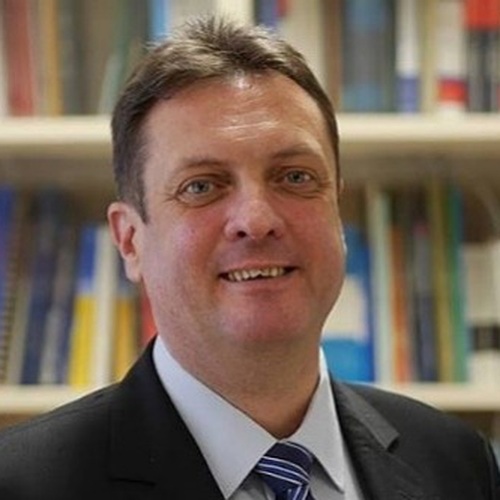

IBT/ABC-UTC is led by FIU with Dr. Azizinamini as Director, and Dr. Marasco as Co-Director and six partner Universities. The six partner universities are: University of Washington Seattle, University of Nevada-Reno, University of Oklahoma, Texas A&M University, University of Georgia and FAMU. IBT/ABC-UTC Partner Universities will be encouraged to participate in this mini symposium.

Copyright© 2025 IALCCE All Rights Reserved.